
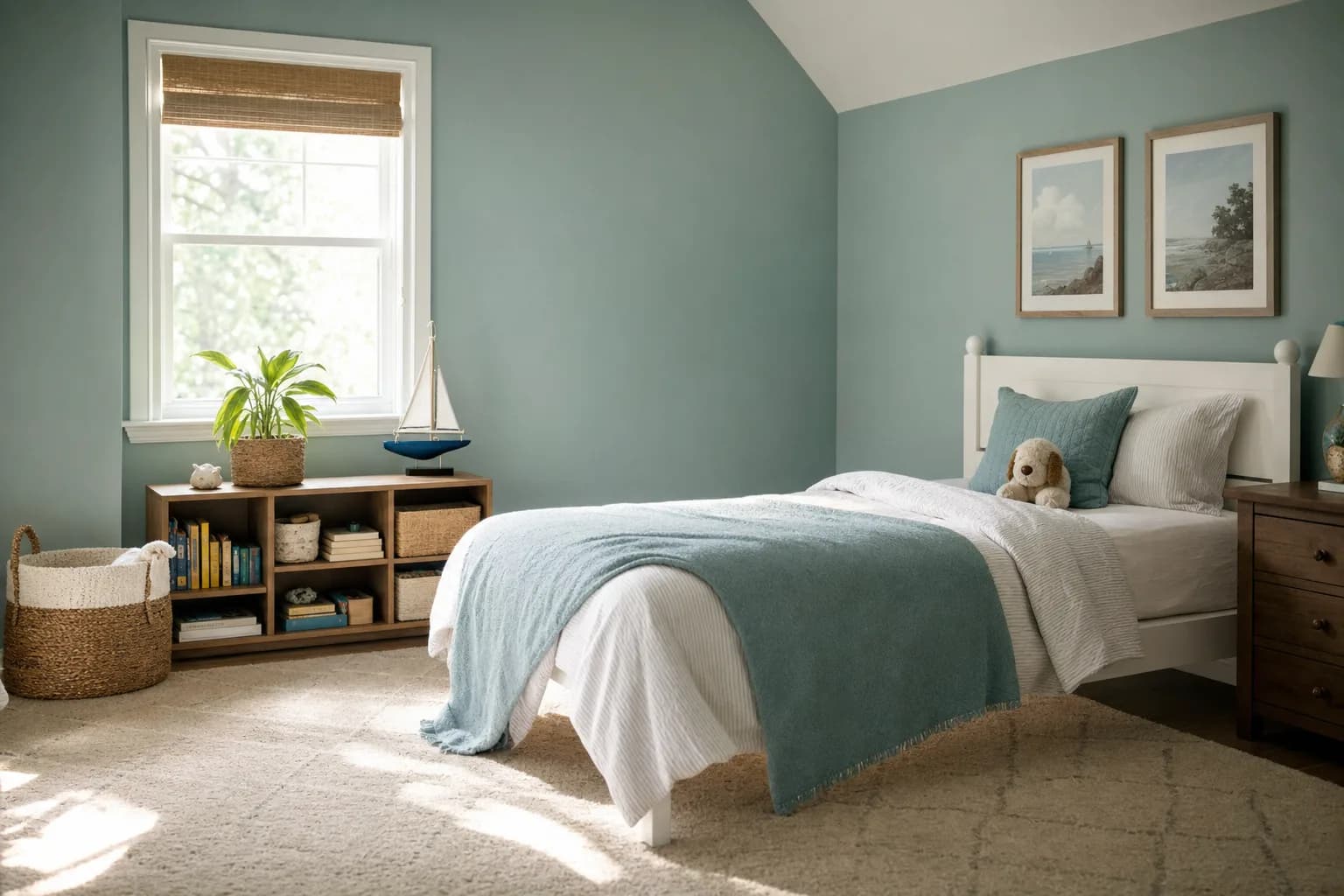
Creating a bedroom that grows with your child is one of the biggest design challenges parents face. Children’s tastes evolve quickly—from favorite colors to decor themes—making it difficult to commit to a long-term design.
As they grow up, elements of the room change too—from toy shelves and baby books to makeup desks and study areas. When exploring interior painting for you kids’ bedroom, the goal is to balance creativity with flexibility, ensuring the space remains inviting as your child matures.
Choosing the right paint color can feel daunting. Whether you’re painting the nursery or refreshing a tween’s room, colors evoke powerful emotions and set the tone for sleep, play, and study. Some hues energize, others calm; some dominate, while others quietly complement furniture and fabrics.
The key is to use strategic color approaches that adapt over time. A flexible palette—anchored by timeless neutrals and refreshed with age-appropriate accents—ensures the room grows gracefully with your child. This guide explores the psychology of color, smart layering strategies, and practical, creative applications to help you design a space that evolves with confidence and style.
Table of Contents
- The Psychology of Color in Children’s Spaces
- The Foundation Strategy: Neutral Base + Colorful Accents
- Age-Specific Color Strategies
- Creative Application Techniques
- Practical Implementation Tips
- Common Mistakes to Avoid
- Conclusion
The Psychology of Color in Children’s Spaces
When planning bedroom paint ideas for kids, understanding how colors affect mood and behavior is essential. Each hue carries unique emotional and psychological effects that influence how a child feels, learns, and sleeps.
How Colors Affect Children
- Blue: The go-to for boys’ rooms but great for any child, blue calms anxiety and helps regulate and promote sleep. It’s ideal for high-energy kids or those prone to tantrums. However, too much blue can feel somber, so balance it with warm touches like yellow or red accents.
- Green: A soothing, natural color that fosters harmony and focus. Schools often use green because studies show it may enhance reading and comprehension. Light shades like sage or mint help reduce stress, while dark greens can feel heavy.
- Yellow: Cheerful and energizing, yellow boosts creativity and memory but can overstimulate at bedtime. It is beautifully paired with gray or blue for balance.
- Red: Stimulating and bold, red increases energy and focus but can lead to irritability if overused. Limit it to accents—like brick or decor.
- Orange: Promotes confidence and socialization. Use softer shades as accents to prevent overstimulation.
- Purple: Encourages creativity and sensitivity. Ideal in moderation—too much can feel moody. Pair with orange or cream for balance.
- Pink: Calming and nurturing but easily overdone. Use blush tones that age well.
- Brown: Earthy and grounding; great for stability but avoid overuse, which can darken the space or make it feel smaller.
- Gray: Elegant and versatile; perfect in moderation. Use it to balance bold colors like yellow, turquoise, or magenta.
Age-Appropriate Color Considerations
- Babies/Toddlers (0–3): Soft pastels and muted tones encourage rest and security.
- Preschoolers (3–5): Bright primary colors enhance playfulness and imagination.
- School-Age (6–12): Let kids choose within calming ranges to foster independence.
- Teens: Sophisticated neutrals with bold accents for self-expression.
The Foundation Strategy: Neutral Base + Colorful Accents
The most effective kids’ bedroom paint ideas start with a timeless, neutral foundation. A flexible base allows easy updates as your child grows—simply swap decor, bedding, or accent walls to refresh the look.
Choosing the Perfect Neutral Base
Beginning with a neutral base makes the space timeless and works with any accent color. Classic choices like white, gray, and beige offer clean, calming backdrops that suit any style. Muted colors such as sage green, dusty blue, and pale pink also work beautifully as adaptable bases.
- Warm Whites: Crisp and bright, ideal for layering with playful accessories.
- Soft Grays: Most versatile—cool and forgiving, pairs effortlessly with any accent color.
- Light Beiges: Warm and cozy—great for comfort-focused spaces.
- Sage and Dusty Blues: Timeless, nature-inspired hues that age gracefully.
Tips for Longevity
- Layer with easy-to-swap accessories.
- Choose durable, washable paint.
- Involve your child in selecting colors—they’ll feel ownership of their space and love being in it!
Adding Personality with Accents
Once the base is set, bring character through accents—bedding, textiles, furniture, and wall art. Boys will be boys, but their interests evolve. Use a neutral backdrop and change accents to reflect their latest phase. Girls grow out of princesses and into hobbies and pop culture. (Hint: Gray is one of the best paint colors for kids’ rooms—it pairs with nearly any hue.)
- Bedding and Textiles: Easiest to change as child grows.
- Wall Art and Decor: Reflects current interests and hobbies.
- Furniture Accents: Colorful storage solutions and bold colors that pop.
- Accent Walls: Bold statement that’s easily changed.
The 60-30-10 Color Rule
To make the space balance well no matter what kids’ bedroom paint ideas you choose, maintaining visual balance is a good idea. Keep this breakdown in mind:
- 60%: Neutral base (walls, main furniture)
- 30%: Secondary color (bedding, rugs, curtains)
- 10%: Accent color (art, accessories, toys)
Age-Specific Color Strategies
Designing rooms that adapt to each growth stage ensures long-lasting appeal and practicality.
Nursery and Toddler Rooms (0–3 years)
Comfort is key. Soft, muted shades like pale blue, warm gray, or gentle green are paint colors that promote relaxation and sleep. Avoid bold colors that overstimulate during nighttime routines.
Preschool Energy (3–5 years)
Children this age thrive on color and curiosity. Primary hues—red, blue, and yellow—spark imagination. Use bright accents on furniture or decor, with neutral walls for flexibility. As the child matures, primary colors can be toned down or replaced with age-appropriate colors.
RELATED: Best Playroom Paint Colors for a Fun Creative Space
School-Age Collaboration (6–12 years)
Involve your child in color decisions to build confidence and creativity. Combine functional zones—calming hues for study spaces for homework, and energizing tones for play areas. Parents can compromise between the child’s favorites and practical choices.
Teen Transition Preparation
Older kids crave maturity and individuality. Choose sophisticated tones that evolve seamlessly. Give your girls a berry-toned purple inspired by floral patterns—youthful yet refined, lively yet balanced. Pair with cream or natural wood for warmth. Boys’ rooms shine with cooler grays, navy, or sage—timeless yet modern.
Creative Application Techniques
If you’re looking for creative kids’ bedroom paint ideas, think beyond solid walls. Unique painting techniques add dimension and fun while staying adaptable.
Accent Wall Ideas
For kids’ accent walls, consider cheerful yellow, calming aqua or mint green, and creative purple or lavender. Bold but balanced colors like blue and red also work well, especially when balanced with neutrals. The best choice depends on the desired mood, from energetic play spaces to calming nurseries.
- Nature Motifs: Trees, clouds, or mountain silhouettes.
- Geometric Patterns: Stripes or stars for visual interest.
- Ombre Effects: Gentle gradient transitions.
- Chalkboard Paint: Adds interactivity and creativity.
Multi-Functional Color Zones
When thinking about bedroom paint ideas for kids, define areas by purpose. From calm for a bedroom to an energizing playroom, there are a wide selection of paint colors from which to choose. Here are some tips to help:
- Sleep Zone: Calming blues, grays, and greens.
- Play Area: Cheerful but balanced colors like coral or soft yellow.
- Study Corner: Focus tones such as mint or sage.
- Reading Nook: Warm neutrals or cozy earth tones.
Ceiling and Trim
Light ceilings keep rooms airy and spacious looking. White trims offer a classic look, while painted trims introduce character and personality. Try two-tone walls (upper and lower) for playful sophistication.
Practical Implementation Tips
Selecting bedroom paint ideas for kids requires planning. As your child grows, they will want more input into the color choices. With so many kids’ bedroom paint ideas to choose from, with a little preparation, you’ll find the perfect color combinations to bring their space to life. And with a few accent colors and elements that are easy to change out as they age, you’ll create a space that will grow with them.
Testing and Planning
- Test the samples: Test colors in natural and artificial light.
- Seasonal consideration: Consider how seasonal light affects tone.
- Room Size Impact: Use lighter shades to make small rooms feel larger.
RELATED: The Best Paint Colors to Make a Room Look Bigger
Budget-Friendly Approaches
- Take it Step by Step: Start with accents, then commit to walls later.
- Add Personalization Details: DIY stencils or decals add personality affordably.
- Update Strategies: Repurpose decor instead of full makeovers.
Maintenance and Durability
- Start with Quality Paint: Choose washable, durable paint finishes.
- Select the finish: Use semi-gloss in high-traffic zones for easy cleaning.
- Touch-Up Planning: Keep extra paint for quick touch-ups for scuff marks.
Common Mistakes to Avoid
When you complete your DIY painting project, you’ll want a professional-looking result. With the amount of time, energy, and cost associated with this type of project, you’ll want to achieve the desired look with a long-lasting finish. When exploring kids’ bedroom paint ideas, steer clear of these pitfalls:
- Overstimulation: Too many bright, bold colors disrupt sleep.
- Trend Chasing: Fad shades age quickly—choose timeless hues.
- Ignoring Function: Match colors to how the room is used—play, study, or rest.
- Overly Mature or Juvenile Choices: Keep flexibility in mind.
- Poor Lighting Consideration: Always test colors under real conditions before committing.
- Paint Quality: Using low-quality, high-VOC (volatile organic compounds) paint can create an unhealthy environment and lead to poor health.
- Choose your Finish: Satin or eggshell are more scrubbable and easy to maintain.
How do you pick a kids' room color that grows with them?
Work from the bottom up. First lock in a neutral base — a soft gray, warm white, or muted sage that won't fight whatever phase comes next — then layer the personality on top through accents you can change cheaply. That single move is what lets a room carry a child from toddler to teen without a repaint every couple of years. From there, weigh how each space is actually used (calm tones where they sleep, brighter ones where they play), test your shortlist under the room's real morning and evening light, and choose a washable finish that survives small hands. If you'd like a second opinion before you commit, our color consultation can help you land a palette that grows with your child, and our post on how paint colors affect a room's mood digs deeper into picking calming versus energizing tones. When you're ready, our interior painting crew can handle the whole room — schedule a free in-home estimate and we'll put a written quote in your hands within 24 hours.
Conclusion
Designing a child’s room is about more than style—it’s about creating a space that nurtures growth. From soothing greens to playful accents, creative kids’ bedroom paint ideas balance fun with flexibility and purpose. Start with a timeless neutral base, layer in strategic colors, and adjust as your child’s personality evolves. Allow your teens to guide some of the choices and reflect their personality.
Involving your child in the process builds confidence and ownership, while smart planning ensures longevity. The best bedroom paint ideas for kids aren’t just beautiful—they’re adaptable, personal, and timeless. So, embrace creativity, think long-term, and enjoy designing a space that grows right alongside your child.
Need more information or an estimate from professional house painters ? Contact us today ! We love to paint, and it shows!