
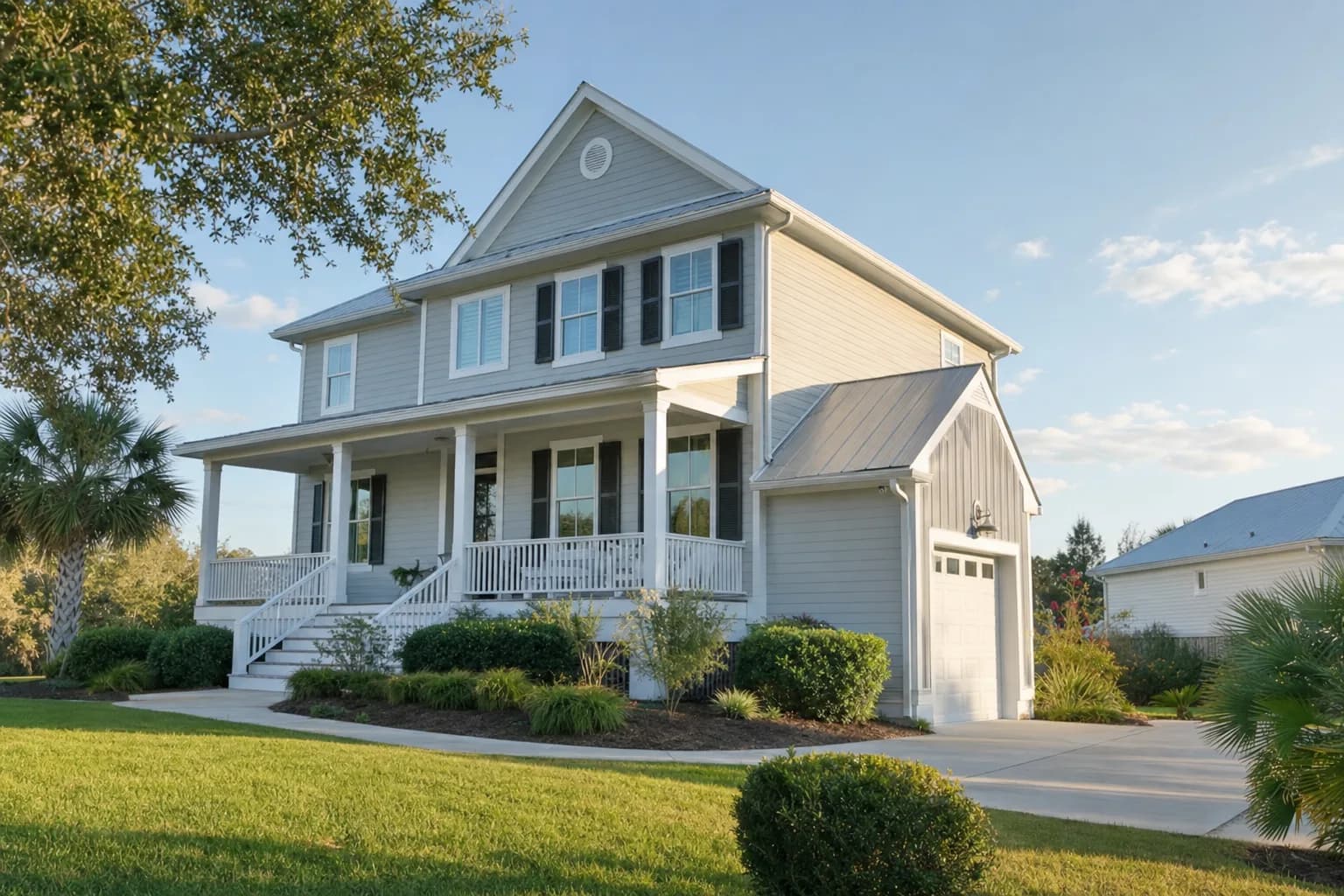
When preparing to sell your home, painting can make the property look cleaner and better cared for. The question is not which scope has a universal return. It is which visible condition issue gives buyers the strongest reason to hesitate.
But many homeowners ask: should I focus on interior or exterior painting? The answer depends on your home’s condition and your local market.
Interior Painting Before Selling
Why Interior Painting Matters
A fresh coat of paint can completely change how your home feels. Replacing outdated or bold colors with neutral tones creates a clean, modern look. Neutral shades appeal to more buyers and help them picture themselves in the space.
Interior painting also:
- Covers scuffs, stains, and minor damage
- Makes rooms feel brighter and larger
- Helps rooms photograph better
For older homes, repainting can make a big difference and increase buyer interest.
RELATED: A Complete Guide to Painting Your House Before Selling
Return on Investment for Interior Painting
There is no honest universal ROI percentage for an interior repaint. The result depends on the home's condition, the colors already on the walls, the quality of the work, and what competing listings look like. The useful test is simpler: does the current paint make the rooms look worn, dark, or hard to move into? If so, a neutral repaint can remove that objection without changing the structure of the home.
RELATED: How Much Should You Spend on Painting Before Selling a House
Interior Painting Costs
Interior painting is relatively affordable compared to other upgrades.
Costs depend on paint quality, labor, and location. Hiring professional house painters can improve results and durability, which matters when selling.
If you choose DIY, include brushes, rollers, drop cloths, repair materials, primer where needed, and the time required for prep when you compare it with a professional quote.
While DIY can save money, professional work often delivers better results.
Interior Painting Best Practices
When painting before selling your home, focus on neutral, widely appealing colors:
- Soft white
- Light gray
- Warm beige or greige
Focus on key areas:
- Living room
- Kitchen
- Entryway
- Primary bedroom
Lighter shades help rooms feel bigger, cleaner, and more open.
RELATED: The Best Paint Colors to Help Your Home Sell Faster
Fixing Wear and Damage with Paint
Painting is one of the easiest ways to refresh a space and cover visible wear. Buyers notice marks, stains, and small cracks.
Fresh paint helps:
- Make surfaces look newer
- Create a well-maintained impression
- Reduce buyer concerns about hidden issues
Homes that haven’t been painted in several years often show visible wear. Updating paint can improve how buyers perceive the home.
RELATED: How to Repair Nail Holes, Dents, and Cracks Before Painting
When You Can Skip Interior Painting
In some cases, interior painting may not be necessary:
- If you’re selling as-is
- If paint is already in good condition
- If colors are neutral and modern
Skipping painting can save time and money.
Exterior Painting Before Selling
Why Exterior Painting Matters
The exterior is the first thing buyers see. A well-maintained exterior improves curb appeal and attracts more interest.
Faded or peeling paint can turn buyers away before they step inside.
Return on Investment for Exterior Painting
Exterior painting can remove a visible maintenance concern and improve the first impression of the property. That does not create a guaranteed dollar return. It gives buyers one less reason to discount the home before they walk through the door.
Exterior Painting Costs
Exterior painting costs vary based on home size and materials. Other factors include:
- Paint quality
- Surface type (stucco and brick cost more)
- Labor and preparation work
While costs vary, the return can be strong when curb appeal is improved.
Exterior Painting Best Practices
Choose neutral, appealing colors such as:
- Warm whites
- Deep blues
- Charcoal tones
Focus on highly visible areas:
- Front door
- Trim
- Shutters and accents
Exterior paint also protects your home from weather damage. Most homes need repainting every 10–15 years, depending on climate.
Interior vs. Exterior Painting: What to Prioritize
How Painting Impacts Home Value
Both interior and exterior painting can increase home value.
- Exterior painting attracts buyers
- Interior painting helps close the sale
Homes that look clean and well-maintained tend to sell faster.
How to Decide What to Paint
Consider the following factors:
- Condition and age of your home
- Budget
- Local market trends
If your home shows visible wear, painting can help. If it is already in good condition, it may not be necessary.
Interior vs. Exterior: Key Takeaways
Ideally, consider both interior and exterior painting. If you can only choose one:
- Exterior improves first impressions
- Interior often delivers higher ROI
The right choice depends on your budget and timeline.
What Should You Paint Before Selling?
Painting can improve your home’s value and help it sell faster, but it’s not always required.
If your home shows signs of wear, fresh paint can increase appeal and attract better offers. If your paint is already in good condition and the market is strong, repainting may not be necessary.
In the end, weigh the cost against the potential return. Painting remains one of the most cost-effective ways to prepare a home for sale.
Walk through your home like a buyer would. Focus on what stands out first, both inside and outside. These are the areas where painting can have the biggest impact.
If you’re unsure where to start, Pro 1 Painters can help you prioritize improvements and maximize your return. Fill out the form below to request a quote today !